Swiss Machining Solutions for High-Volume Production Demands
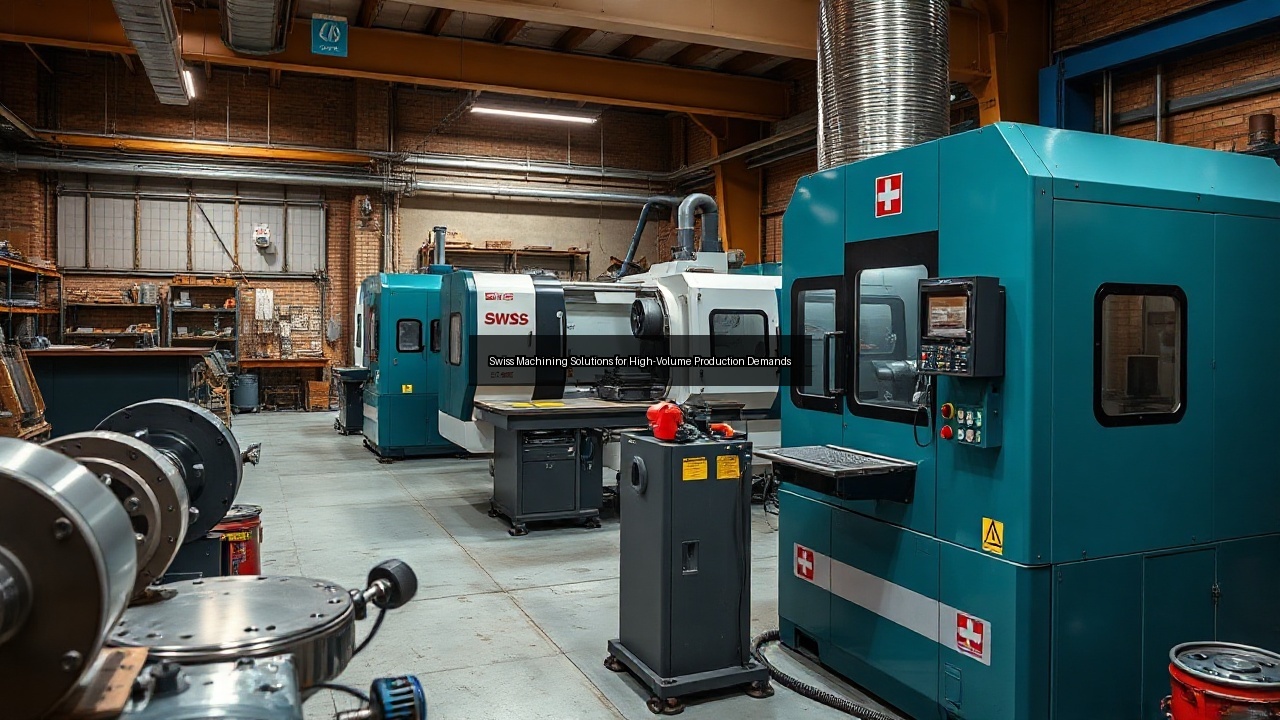
Overview of Swiss Machining Solutions
Introduction to Swiss Machining
Swiss machining delivers unmatched precision for complex parts in demanding industries. Operators use a swiss lathe to guide material close to the cutting tool, which reduces deflection and supports tight tolerances. This process excels when shops produce high volumes of small, intricate components from materials like nickel. Machine shops adopt swiss machining solutions to handle repeated runs without sacrificing accuracy. The swiss style lathes maintain stability during long operations, making them ideal for parts that require multiple operations in one setup. Engineers value this approach because it cuts cycle times while preserving quality across batches.
The technique originated in Switzerland’s watchmaking industry during the late 19th century, where extreme accuracy was required for tiny gears and pins. The defining feature remains the guide bushing positioned millimeters from the cutting edge, which supports bar stock as it advances. This configuration differs sharply from conventional lathes that grip material farther away and allow whip on slender diameters. Modern variants accommodate bar stock up to 38 mm while routinely holding tolerances of ±0.005 mm on features such as threads, grooves, and cross holes. Materials commonly processed include nickel alloys, titanium, stainless steels, and medical-grade plastics, each benefiting from the same vibration-dampening principle.
Key Benefits of Swiss Machining
Swiss machining boosts productivity by combining turning, drilling, and milling in a single cycle. Shops gain higher output because the bar feeder keeps material flowing continuously. Tooling stays sharp longer due to reduced vibration, which lowers replacement costs. Precision machining improves when operators control every movement through cnc machines. Volumes of identical parts emerge with consistent geometries that meet strict specifications. Swiss cnc machining also reduces scrap rates, allowing manufacturers to stretch raw stock further. These advantages add up to lower per-part expenses and faster delivery schedules for customers.
Because multiple tools operate simultaneously on different axes, cycle times for a typical 15 mm diameter connector can drop below 30 seconds. Continuous bar feeding eliminates manual reloading, enabling runs of several thousand pieces with minimal operator intervention. Reduced vibration extends insert life by 20–40 percent compared with traditional setups, directly lowering tooling budgets. Statistical data from high-volume facilities show scrap rates falling to under 0.5 percent once programs stabilize, translating into measurable material savings on expensive nickel alloys. The cumulative effect often yields 25–35 percent lower unit costs while shortening lead times from weeks to days.
Applications in High-Volume Production
High-volume production relies on swiss machining for medical devices, automotive fittings, and electronics connectors. Screw machines evolved into modern swiss machines that handle thousands of units daily. Aerospace manufacturers choose this method for fasteners and fittings machined from tough alloys. The process supports swiss turning of long, slender parts that traditional lathes struggle to produce. Shops integrate automation to keep machines running overnight, which multiplies daily output. Swiss machining technology scales efficiently when demand spikes, giving machine shops a competitive edge in contract manufacturing.
Medical applications include bone screws, spinal implants, and dental abutments produced in lots exceeding 10,000 pieces. Automotive customers order fuel-system valves, sensor housings, and transmission pins that must maintain concentricity over lengths greater than 15 times the diameter. Electronics manufacturers rely on swiss turning for RF connectors and micro-pin arrays requiring gold plating-ready surfaces. Overnight lights-out operation, supported by bar feeders holding 12-foot stock, routinely adds 300–500 extra parts per machine each week. This scalability proves especially valuable during sudden surges in aerospace or defense contracts.
Technological Advancements in Swiss Machining
Swiss CNC Machining Technology
Swiss cnc machining technology integrates live tooling and multi-axis control for complete part finishing. Modern swiss machines perform secondary operations without moving the workpiece, which eliminates error from reclamping. Operators program complex tool paths that create precise geometries in nickel and other challenging metals. This advancement replaced older screw machines in many facilities. Swiss precision machining now achieves tolerances measured in microns, meeting requirements for critical components. Shops invest in updated equipment to stay ahead of competitors who still rely on manual adjustments.
Contemporary machines feature 10 or more axes, including independent tool spindles that rotate at speeds up to 15,000 rpm. Live tooling heads perform milling, drilling, and threading without secondary setups, often completing parts in one pass. Five-micron repeatability is now standard on machines equipped with linear scales and thermal compensation. These capabilities allow shops to machine nickel-based superalloys at depths of cut previously considered unstable, while maintaining surface finishes below 0.4 µm Ra.
Automation in Swiss Machining
Automation transforms swiss machining by adding robotic loaders and bar feeders that run extended shifts. Machine shops reduce labor costs while maintaining steady volumes of machined parts. Automated tool changers swap inserts quickly during long production runs. Swiss lathe operators monitor multiple machines through centralized controls. This setup increases overall productivity and allows skilled staff to focus on programming rather than repetitive tasks. Automation also improves safety by limiting direct contact with moving components during high-speed operations.
Robotic part catchers paired with vision inspection systems remove finished components without stopping the spindle. Tool-life monitoring software tracks wear in real time and initiates automatic changes before dimensional drift occurs. Centralized cell controllers let one technician oversee six to eight machines, raising labor efficiency dramatically. Safety interlocks and light curtains further reduce exposure to rotating bar stock and high-pressure coolant streams.
Role of Software in Optimizing Production
Software drives efficiency in swiss machining solutions through simulation and real-time monitoring. CAM programs generate optimized paths that shorten cycle times on cnc machines. Shops analyze data from each run to adjust feeds and speeds for different materials. Advanced software predicts tool wear before it affects part quality. Swiss cnc machining benefits when operators use digital twins to test setups virtually. This approach reduces downtime and helps teams meet tight deadlines for high-volume orders.
Modern CAM packages incorporate material-specific databases that automatically recommend cutting parameters for nickel alloys and titanium. Digital-twin simulations reveal potential collisions and chip-management issues before metal is cut, eliminating hours of trial runs. Machine-monitoring dashboards stream spindle load, vibration, and power data to tablets, enabling operators to fine-tune feeds mid-cycle. Predictive-analytics modules forecast tool changes within 5 percent accuracy, supporting just-in-time inventory strategies.
Machining Techniques and Tools
Understanding Swiss Lathes and Screw Machines
Swiss lathes evolved from traditional screw machines to deliver superior accuracy on small diameters. The guide bushing supports the bar stock right at the cut point, preventing whip and deflection. Modern swiss style lathes combine turning with milling and drilling in one cycle. Operators produce intricate profiles that once required multiple machines. Screw machines handled high volumes of simple parts, yet swiss machines now manage complex geometries with the same speed. Shops select the right configuration based on part length and material type.
Traditional cam-operated screw machines remain viable for simple, high-volume bushings, but CNC swiss lathes dominate when features such as angled holes or non-concentric diameters appear. The guide bushing’s adjustable tension and material-specific liners further stabilize exotic alloys. Hybrid configurations now include opposing spindles that allow back-working operations, effectively doubling throughput on symmetric components.
Tooling for Precision Machining
Tooling choices directly affect results in swiss machining. Carbide inserts with specialized coatings handle nickel alloys without rapid wear. Shops maintain dedicated tool libraries for each material to keep productivity high. Live tooling heads add milling capability to swiss turning centers. Proper selection of drills and end mills ensures clean finishes on machined parts. Regular inspection prevents defects that could scrap entire volumes. Effective tooling management cuts downtime and supports consistent output across long runs.
Coatings such as AlTiN and DLC extend tool life in nickel by resisting built-up edge and heat. Modular quick-change systems reduce insert swap time to under two minutes, preserving valuable spindle uptime. Dedicated cribs organized by material family prevent cross-contamination and allow pre-set tooling offsets to be loaded instantly. In-process measurement of tool length and diameter via laser probes maintains accuracy throughout extended runs.
Machined Geometries for Aerospace Components
Aerospace components demand precise geometries that swiss machining produces reliably. Thin-walled tubes and threaded fittings emerge complete from a single setup. Swiss machines create undercuts and cross holes that traditional methods handle poorly. Nickel parts receive consistent surface finishes that meet flight-critical standards. Machine shops use these capabilities to supply brackets, pins, and connectors in large quantities. The process maintains tight concentricity even on parts exceeding ten diameters in length.
Typical aerospace parts include fuel-nozzle bodies with internal passages held to 0.02 mm true position and actuator pins featuring multiple diameters and threads produced without secondary turning. Undercuts for retaining rings and cross-drilled lubrication holes are completed in the same cycle, eliminating transfer errors. Surface finishes of 0.2 µm Ra on sealing diameters often remove the need for subsequent grinding operations, shortening overall lead time.
Enhancing Productivity in Machine Shops
Integration of CNC Machines with Swiss Technology
Integration of cnc machines with swiss technology creates flexible production cells. Shops combine swiss precision with the power of larger lathes for bigger components. Operators transfer programs between machines to balance workloads during peak demand. This hybrid approach expands the range of parts a single facility can deliver. Swiss machining equipment interfaces smoothly with existing cnc machining centers, which speeds setup across the shop floor. Productivity rises when teams standardize tooling and fixtures across platforms.
Common interfaces allow program data and tool offsets to move seamlessly between swiss and fixed-head lathes. Standardized collet and bushing inventories reduce setup time when jobs migrate between machine types. Cells that combine 20 mm swiss machines with 65 mm conventional lathes can handle 95 percent of a typical contract manufacturer’s part mix without external subcontracting.
Maximizing Output through Automation
Maximizing output requires strategic use of automation on swiss machines. Bar feeders and part catchers allow continuous operation without constant supervision. Shops schedule lights-out runs that add hundreds of extra parts each week. Automation also tracks tool life and alerts staff before failures occur. Swiss machining solutions gain measurable productivity gains when operators review data dashboards daily. Consistent uptime translates directly into higher revenue for contract manufacturers.
Advanced bar-feeder systems accommodate remnant lengths as short as 100 mm, reducing material waste. Integrated conveyors and robotic unloaders feed finished parts directly into washing stations or inspection cells. Daily dashboard reviews reveal bottleneck patterns, enabling teams to adjust schedules and achieve 85–90 percent spindle utilization across multi-machine cells.
Comparing Productivity: Swiss vs. Traditional Machining
Swiss machining outperforms traditional methods on small, high-precision parts. Cycle times drop because multiple operations occur simultaneously rather than sequentially. Traditional lathes often need secondary setups that add hours to each batch. Swiss style lathes maintain accuracy over long runs, reducing inspection intervals. Shops report productivity increases of thirty percent or more after switching volumes to swiss cnc machining. The difference grows larger when parts feature complex geometries or require fine finishes.
Comparative studies show that a 12 mm diameter medical screw previously requiring three operations on conventional equipment now completes in one swiss cycle, cutting total time by 65 percent. Inspection frequency drops from every 50 pieces to every 500 once process capability indices exceed 1.67. Shops that migrate 40 percent of their small-part volume to swiss platforms commonly record annual revenue gains exceeding 15 percent due to higher throughput and lower overhead.
Challenges and Solutions in High-Volume Production
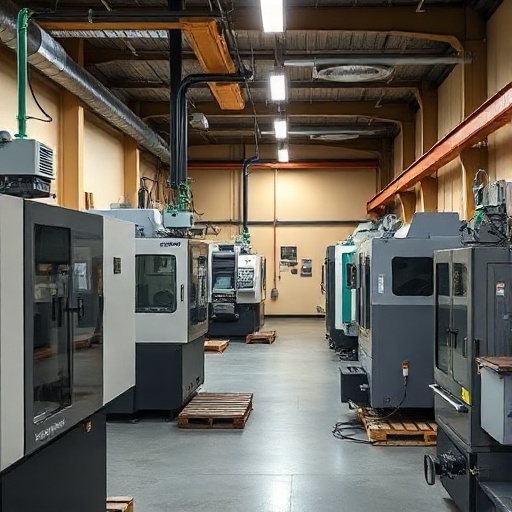
Managing Material Volumes: Focus on Nickel and Alloys
Managing material volumes of nickel and alloys presents unique challenges in swiss machining. These metals generate high cutting forces and heat that accelerate tool wear. Shops counter this with high-pressure coolant systems and coated tooling. Proper chip control prevents bird-nesting that stops production. Swiss machines handle these materials efficiently once feeds and speeds are dialed in correctly. Careful inventory planning ensures steady supply without tying up excessive capital in raw stock.
High-pressure coolant at 70–100 bar delivered through the tool tip evacuates chips and reduces thermal shock. Variable helix end mills and chip-breaker geometries further stabilize nickel cutting. Kanban systems tied to ERP software trigger bar-stock replenishment when remaining footage falls below a calculated threshold, balancing working capital against production continuity.
Quality Control in Precision Machining
Quality control remains essential for precision machining success. In-process probing verifies dimensions before parts leave the swiss machine. Shops implement statistical process control to catch trends early in long runs. Consistent calibration of measuring equipment protects against drift. Swiss machining parts meet customer specifications more reliably when operators document every adjustment. This discipline reduces returns and strengthens relationships with aerospace and medical clients.
Touch probes mounted on the machine bed measure critical diameters and lengths mid-cycle, automatically applying offsets when deviations exceed 2 µm. SPC software tracks CpK values in real time and halts production if trends approach control limits. Annual gauge R&R studies and temperature-controlled metrology rooms ensure measurement uncertainty stays below 10 percent of tolerance, satisfying stringent aerospace and FDA audit requirements.
Future Trends in Swiss Machining Solutions
Future trends point toward greater connectivity and artificial intelligence in swiss machining. Predictive maintenance will alert teams before breakdowns interrupt high-volume schedules. Hybrid machines that combine additive and subtractive processes may expand design possibilities. Swiss cnc machining technology continues to evolve with faster spindles and smarter software. Machine shops that adopt these advances will capture more market share as demand for precision parts grows.
Edge-computing nodes embedded in machine controls analyze vibration signatures to predict bearing wear weeks in advance. Emerging hybrid platforms deposit wear-resistant coatings or build complex internal channels before final machining, opening new design freedoms. Next-generation spindles exceeding 20,000 rpm and AI-optimized tool-path algorithms promise further cycle-time reductions of 15–25 percent on difficult nickel alloys, positioning early adopters for sustained competitive advantage.
See Also
- How Swiss Machining Enhances Productivity in Modern Machine Shops
- From Screw Machines to CNC: The Evolution of Swiss Machining
- The Role of Software in Optimizing Swiss Machining Processes
- Why Swiss Turning is Essential for Today's Manufacturing Challenges
- Unlocking the Secrets of Precision with Swiss Style Lathes