The Future of Custom Parts: CNC Machining for Engineered Plastics
Understanding CNC Machining for Engineered Plastics
What is CNC Machining?
CNC machining, or Computer Numerical Control machining, represents a revolutionary approach to manufacturing that utilizes computer systems to control machine tools. This technology allows for intricate designs and precise specifications, transforming raw materials into finished products with minimal human intervention. In the context of engineered plastics, CNC machining provides unmatched accuracy and efficiency, making it suitable for creating custom parts that meet stringent industry standards. By employing advanced software and hardware, CNC mills can achieve tolerances that would be difficult, if not impossible, to replicate manually. This capability is critical in sectors like aerospace, automotive, and medical devices, where precision is paramount.
The Role of CNC Plastic Machining Manufacturers
CNC plastic machining manufacturers play a vital role in the production of custom plastic parts. These specialists in high-performance plastic components leverage their expertise in machining complex nonmetallic parts to deliver products that meet specific client needs. They possess the knowledge to select the right materials, often sourcing advanced polymers such as Ultem, PEEK, and PTFE, known for their strength, thermal stability, and chemical resistance. The manufacturers utilize various CNC technologies, including CNC milling and routing, to create precision components tailored to industry requirements. Their ability to innovate and adapt to ever-evolving materials and techniques ensures that they remain competitive in the landscape of custom plastic fabrication.
Common Materials Used in CNC Machining
The choice of materials significantly influences the performance and durability of machined components. Commonly used materials in CNC plastic machining include acetal, nylon, and Teflon, each possessing unique properties that cater to different applications. Acetal, for instance, offers excellent dimensional stability and low friction, making it ideal for gears and moving parts. Nylon, with its robust impact resistance, is often utilized in applications requiring high durability. Teflon, known for its exceptional chemical resistance and low friction coefficient, is favored in environments exposed to harsh chemicals. By understanding the characteristics of these materials, CNC plastic machining manufacturers can produce components that not only meet but exceed performance expectations.
Innovations in CNC Machining for High-Performance Plastics
Advancements in CNC Milling Technologies
Innovation drives the evolution of CNC milling technologies, significantly enhancing the machining process for high-performance plastics. Recent advancements include improved spindle speeds and feed rates, which increase productivity and reduce cycle times. Furthermore, the integration of automated tool changers allows for seamless transitions between different machining operations, minimizing downtime. High-speed CNC mills equipped with advanced cutting tools can handle complex geometries with precision, ensuring that even the most intricate designs are accurately machined. These technological improvements not only enhance efficiency but also allow manufacturers to push the boundaries of what is possible with engineered plastics, leading to the creation of custom components that meet demanding specifications.
Specialists in Machining Complex Nonmetallic Parts
Experts in machining complex nonmetallic parts possess specialized skills essential for producing high-performance plastic components. These specialists understand the nuances of different engineered plastics, including their machining characteristics and challenges. For instance, materials like Ultem and PEEK require specific tooling and machining techniques to avoid deformation or damage during the machining process. Skilled machinists employ advanced strategies, such as optimized cutting speeds and precise tool paths, to ensure that the integrity of the material remains intact. Their expertise extends beyond mere craftsmanship; it includes a deep understanding of the applications and requirements of the end products, ensuring that each component performs optimally under real-world conditions.
Turning PEEK, Acetal, and PTFE into Custom Components
Turning PEEK, acetal, and PTFE into custom components exemplifies the capabilities of CNC machining in the realm of engineered plastics. PEEK, known for its high strength and thermal stability, is frequently used in aerospace and medical applications, where reliability is non-negotiable. Acetal, with its excellent wear resistance, finds applications in precision gears and bearings. PTFE, famous for its low friction properties, is ideal for seals and gaskets. The process of machining these materials requires precision and a thorough understanding of their properties. CNC plastic machining manufacturers utilize specialized tools and techniques to ensure that the final products meet the rigorous demands of their respective industries, resulting in components that stand the test of time.
Applications of CNC Machined Engineered Plastics
Precision Components for Aerospace and Automotive Industries
CNC machined engineered plastics play a crucial role in the aerospace and automotive industries, where precision and reliability are paramount. In aerospace, components made from advanced polymers can significantly reduce weight while maintaining strength, contributing to improved fuel efficiency and performance. Parts such as interior fittings, brackets, and housings benefit from the lightweight yet durable nature of engineered plastics. In the automotive sector, custom plastic parts machined to specification are increasingly common, from intricate dashboard components to performance-critical engine parts. The ability to produce these precision components with exacting tolerances ensures safety and enhances the overall functionality of vehicles.
Custom Plastic Parts Built to Specification
Custom plastic parts built to specification address the unique needs of various industries. Companies require components that not only fit perfectly but also perform reliably under specific conditions. CNC plastic machining manufacturers excel in creating tailored solutions, employing advanced design software and machining capabilities to bring intricate designs to life. This flexibility allows businesses to innovate and develop new products without the constraints of traditional manufacturing methods. Whether it's small-scale prototypes or large production runs, the ability to customize plastic parts ensures that companies can meet market demands efficiently and effectively.
The Importance of Machining Centers in Production
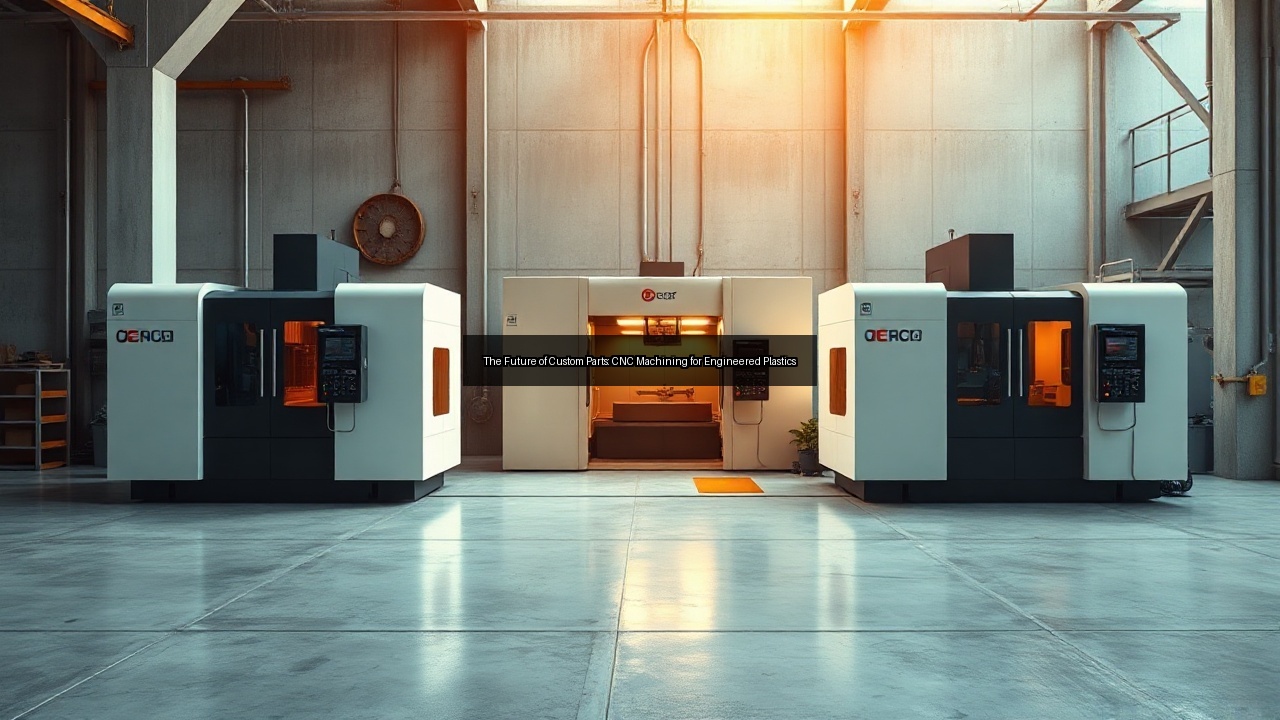
Machining centers serve as the backbone of CNC plastic machining operations, facilitating the production of high-quality components. These advanced machines integrate multiple functionalities, enabling manufacturers to perform various machining processes, such as milling, drilling, and routing, in a single setup. This integration streamlines production workflows, reduces lead times, and minimizes the risk of errors. Additionally, modern machining centers are equipped with sophisticated software that enhances precision and allows for real-time monitoring of the machining process. By investing in state-of-the-art machining centers, manufacturers can ensure consistent quality and efficiency in the production of engineered plastics, ultimately delivering superior products to their clients.
Choosing the Right CNC Plastic Machining Manufacturer
What to Look for in an Experienced Machining Partner
Finding specialists in high-performance plastic components the right CNC plastic machining manufacturer involves evaluating several key factors. Look for a partner with a proven track record in producing high-performance plastic components and a commitment to quality assurance. An experienced machining partner should possess the latest technology and equipment, including advanced CNC mills and machining centers, to ensure precision and efficiency. Additionally, consider their expertise in various engineered plastics and their ability to handle complex projects. A reputable manufacturer will also offer comprehensive support, from design assistance to post-production services, ensuring a seamless experience throughout the project lifecycle.
Assessing Capabilities for High-Performance Plastic Component Production
Assessing a manufacturer's capabilities for high-performance plastic component production requires a thorough understanding of their processes and technologies. Inquire about their experience with different engineered plastics, such as Ultem, PEEK, and Teflon, and their approach to machining these materials. Evaluate their quality control measures, including inspection protocols and testing methodologies, to ensure that the final products meet industry standards. Additionally, consider their capacity to handle various production volumes, from small runs to large-scale manufacturing, as well as their ability to adapt to changing project requirements. A manufacturer that demonstrates versatility and reliability will be a valuable partner in your plastic fabrication endeavors.
The Future of Custom Parts in Plastic Fabrication
The future of custom parts in plastic fabrication looks promising, driven by continuous advancements in CNC machining technologies and the growing demand for lightweight, durable components. As industries seek to optimize performance and efficiency, the role of CNC plastic machining manufacturers will expand, embracing innovative materials and machining techniques. Sustainable practices and eco-friendly materials will likely gain traction, influencing the direction of custom plastic part production. The integration of smart manufacturing solutions, such as IoT and AI, will further enhance production capabilities, leading to greater customization and efficiency. As a result, businesses can expect to see an ever-evolving landscape in the world of engineered plastics, with custom machined parts leading the charge toward innovation and excellence.
See Also
- Custom Plastic Parts That Meet Your Exact Specifications
- Unlocking the Future of Manufacturing with CNC Plastic Machining
- Discovering the Benefits of CNC Milling in Plastic Fabrication
- Why American Manufacturers Are Turning to CNC Plastic Machining
- Machining Centers That Elevate Your Plastic Component Production